
Understanding the Israel-Hamas Conflict: Historical Context and Global Impact

Understanding the Israel-Hamas Conflict: Historical Context and Global Impact
The Israel-Hamas conflict has been a significant and complex issue in the Middle East for decades. Understanding its historical context and global impact is crucial for comprehending the broader implications on international relations, economics, and social dynamics.
Historical Background
The roots of the Israel-Hamas conflict can be traced back to the early 20th century, with the establishment of Israel in 1948 and the subsequent displacement of Palestinian populations. This section delves into the key historical events that have shaped the current situation.
Early Beginnings
The conflict began with the Zionist movement in the late 19th century, which sought to establish a Jewish homeland in Palestine. This led to increased Jewish immigration to the region, which was met with resistance from the Arab population.
Key Events
- 1948 Arab-Israeli War: The establishment of Israel and the subsequent war with neighboring Arab states.
- 1967 Six-Day War: Israel's victory resulted in the occupation of the West Bank, Gaza Strip, and other territories.
- 1973 Yom Kippur War: A coalition of Arab states led by Egypt and Syria launched a surprise attack on Israel.
The Role of Hamas
Hamas, an acronym for Harakat al-Muqawama al-Islamiyya, is a Palestinian Islamist militant organization founded in 1987. It has played a significant role in the conflict, particularly in the Gaza Strip.
Formation and Ideology
Hamas was formed during the First Intifada, a Palestinian uprising against Israeli occupation. Its ideology is rooted in Islamic fundamentalism and resistance to Israeli control.
Key Actions
- Suicide Bombings: Hamas has been responsible for numerous suicide bombings targeting Israeli civilians.
- Rocket Attacks: Frequent rocket attacks launched from the Gaza Strip into Israel.
- Military Conflicts: Engagements with the Israeli Defense Forces (IDF) in various military operations.
Global Impact
The Israel-Hamas conflict has far-reaching implications beyond the Middle East. It affects global politics, economics, and social dynamics in various ways.
Political Implications
The conflict has significant political implications, influencing international relations and foreign policies of various countries. It has led to the formation of alliances and the imposition of sanctions, shaping the geopolitical landscape.
Economic Impact
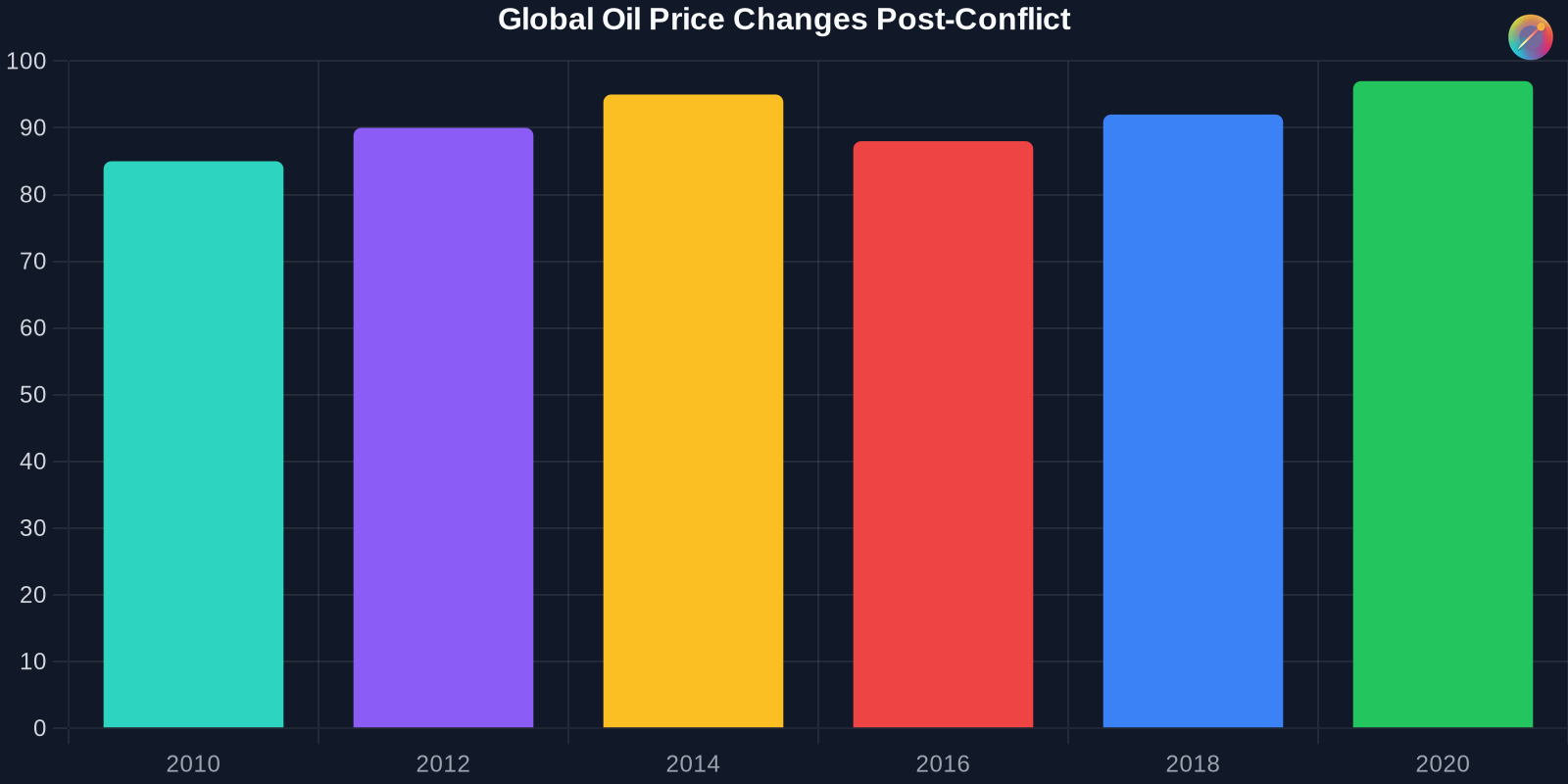
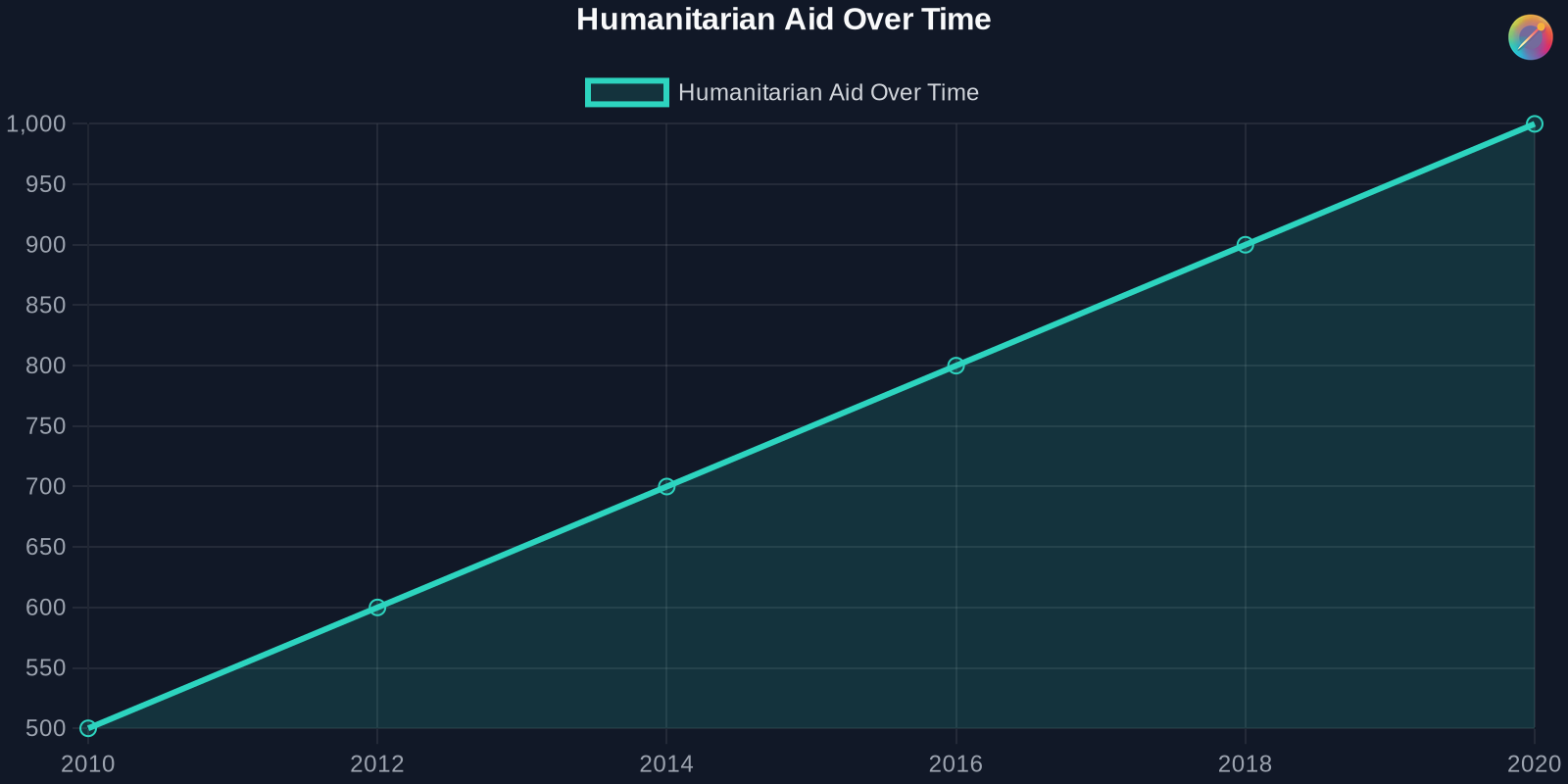
The economic impact of the conflict is substantial. It affects global oil prices, trade routes, and economic stability in the region. The conflict has also led to significant humanitarian crises, requiring international aid and intervention.
Social and Humanitarian Impact
The conflict has resulted in significant social and humanitarian consequences. It has led to the displacement of populations, loss of lives, and destruction of infrastructure. The humanitarian impact extends beyond the immediate region, affecting global migration patterns and refugee crises.
The Israel-Hamas conflict is not just a regional issue but a global concern that requires international attention and intervention.
Recent Developments
In recent years, the conflict has seen several significant developments. These include changes in leadership, shifts in military strategies, and evolving international responses.
Changes in Leadership
Both Israel and Hamas have seen changes in leadership, which have influenced the dynamics of the conflict. New leaders bring different perspectives and strategies, affecting the course of the conflict.
Military Strategies
Military strategies have evolved on both sides. Israel has developed advanced defense systems like the Iron Dome, while Hamas has adapted its tactics to counter these advancements.
International Responses
The international community has responded to the conflict in various ways. This includes diplomatic efforts, humanitarian aid, and military support. The responses have evolved over time, reflecting changes in global politics and priorities.
Key Takeaways
Conclusion
The Israel-Hamas conflict is a complex and multifaceted issue with deep historical roots and significant global implications. Understanding its historical context, key players, and global impact is crucial for comprehending the broader implications on international relations, economics, and social dynamics. Addressing the conflict requires a comprehensive and nuanced approach that considers the various dimensions and stakeholders involved.
For further reading, consider exploring resources from the United Nations and other authoritative sources on Middle Eastern affairs.

The conflict has also led to significant shifts in public opinion and international diplomacy. Understanding these dynamics is essential for grasping the full scope of the conflict's impact.
Efforts to resolve the conflict have been ongoing, with various peace initiatives and negotiations. However, achieving a lasting peace requires addressing the underlying issues and finding common ground among the stakeholders.
Call to Action
To stay informed about the Israel-Hamas conflict and its global impact, consider following reputable news sources and engaging with organizations working towards peace and humanitarian aid in the region. Your awareness and support can make a difference in addressing this complex issue.