
The Future of Gene Editing and AI: Opportunities and Threats

The Future of Gene Editing and AI: Opportunities and Threats

In recent years, the convergence of gene editing and artificial intelligence (AI) has sparked both excitement and concern. As we stand on the brink of technological breakthroughs, it's crucial to understand the potential benefits and risks associated with these advancements. This article delves into the insights from industry leaders like Peter Thiel, Sam Altman, and others, exploring how these technologies could shape our future.
The Promise of Gene Editing
Gene editing, particularly with tools like CRISPR, holds immense promise for treating genetic disorders, improving crop yields, and even eradicating diseases. The precision and efficiency of these technologies have opened new avenues for scientific research and medical treatments.
Healthcare Revolution
Gene editing can potentially cure genetic disorders by correcting faulty genes. This could lead to treatments for conditions like cystic fibrosis, sickle cell anemia, and even certain types of cancer. The ability to edit genes with precision offers hope for millions of patients worldwide.
Agricultural Advancements
In agriculture, gene editing can create crops that are more resistant to pests, diseases, and environmental stresses. This could significantly improve food security and sustainability, ensuring that we can feed a growing global population.
The Role of AI in Gene Editing
Artificial intelligence plays a crucial role in accelerating the capabilities of gene editing. AI algorithms can analyze vast amounts of genetic data, identify patterns, and predict the outcomes of gene edits with high accuracy.
Enhancing Precision
AI can enhance the precision of gene editing by predicting off-target effects and optimizing the design of guide RNAs. This reduces the risk of unintended consequences and improves the safety of gene editing technologies.
Accelerating Research
AI can also accelerate research by automating the analysis of genetic data. This allows researchers to focus on more complex tasks, speeding up the discovery process and bringing new treatments to market faster.
Potential Risks and Ethical Concerns
Despite the promising benefits, the convergence of gene editing and AI also raises significant ethical concerns and potential risks. It's essential to address these issues to ensure the responsible development and deployment of these technologies.
Ethical Dilemmas
One of the primary ethical concerns is the potential for "designer babies," where parents could select specific traits for their children. This raises questions about consent, equality, and the long-term implications for society.
Unintended Consequences
There is also the risk of unintended consequences, such as off-target effects in gene editing or the misuse of AI algorithms. These could lead to harmful outcomes, including the creation of new diseases or the exacerbation of existing ones.
Insights from Industry Leaders
Industry leaders like Peter Thiel, Sam Altman, and others have shared their insights on the future of gene editing and AI. Their perspectives provide valuable context for understanding the potential impact of these technologies.
Peter Thiel's Perspective
Peter Thiel, co-founder of PayPal and an influential venture capitalist, has emphasized the importance of innovation in gene editing and AI. He believes that these technologies have the potential to transform industries and improve human life significantly.
Sam Altman's Views
Sam Altman, CEO of OpenAI, has highlighted the need for responsible development and deployment of AI. He advocates for robust safety measures and ethical guidelines to ensure that AI is used for the benefit of humanity.
"The development and proliferation of AI – far from a risk that we should ignore, we must ensure it is developed responsibly to avoid potential dangers."
The Threat of AI and Gene Editing
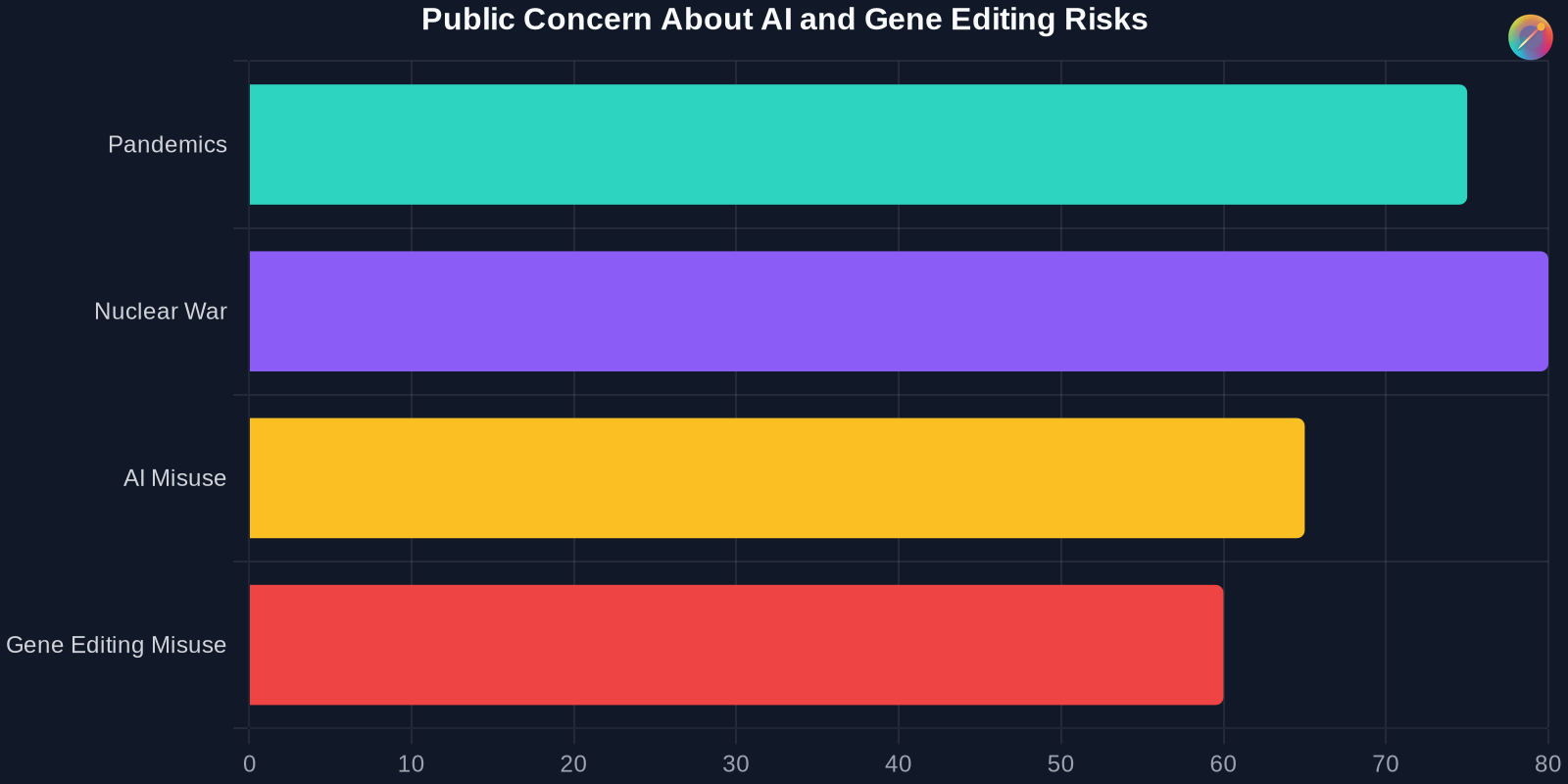
While the potential benefits are vast, it's crucial to acknowledge the threats posed by AI and gene editing. Misuse or unintended consequences could have severe implications for humanity.
AI and Autonomous Weapons
One of the significant concerns is the development of autonomous weapons powered by AI. These weapons could potentially make decisions without human intervention, leading to unintended conflicts and escalations.
Gene Editing and Biological Warfare
Gene editing technologies could also be misused to create biological weapons. The ability to manipulate genes could lead to the development of new pathogens or the enhancement of existing ones, posing a significant threat to global security.
Regulatory and Safety Measures
To address the potential risks and ethical concerns, it's essential to implement robust regulatory and safety measures. These measures should ensure the responsible development and deployment of gene editing and AI technologies.
International Collaboration
International collaboration is crucial for establishing global standards and guidelines. This includes sharing best practices, coordinating research efforts, and ensuring that technologies are developed and deployed responsibly.
Ethical Guidelines
Ethical guidelines should be established to address concerns related to consent, equality, and the potential misuse of these technologies. These guidelines should be regularly reviewed and updated to reflect the latest scientific and ethical developments.
The Future Outlook
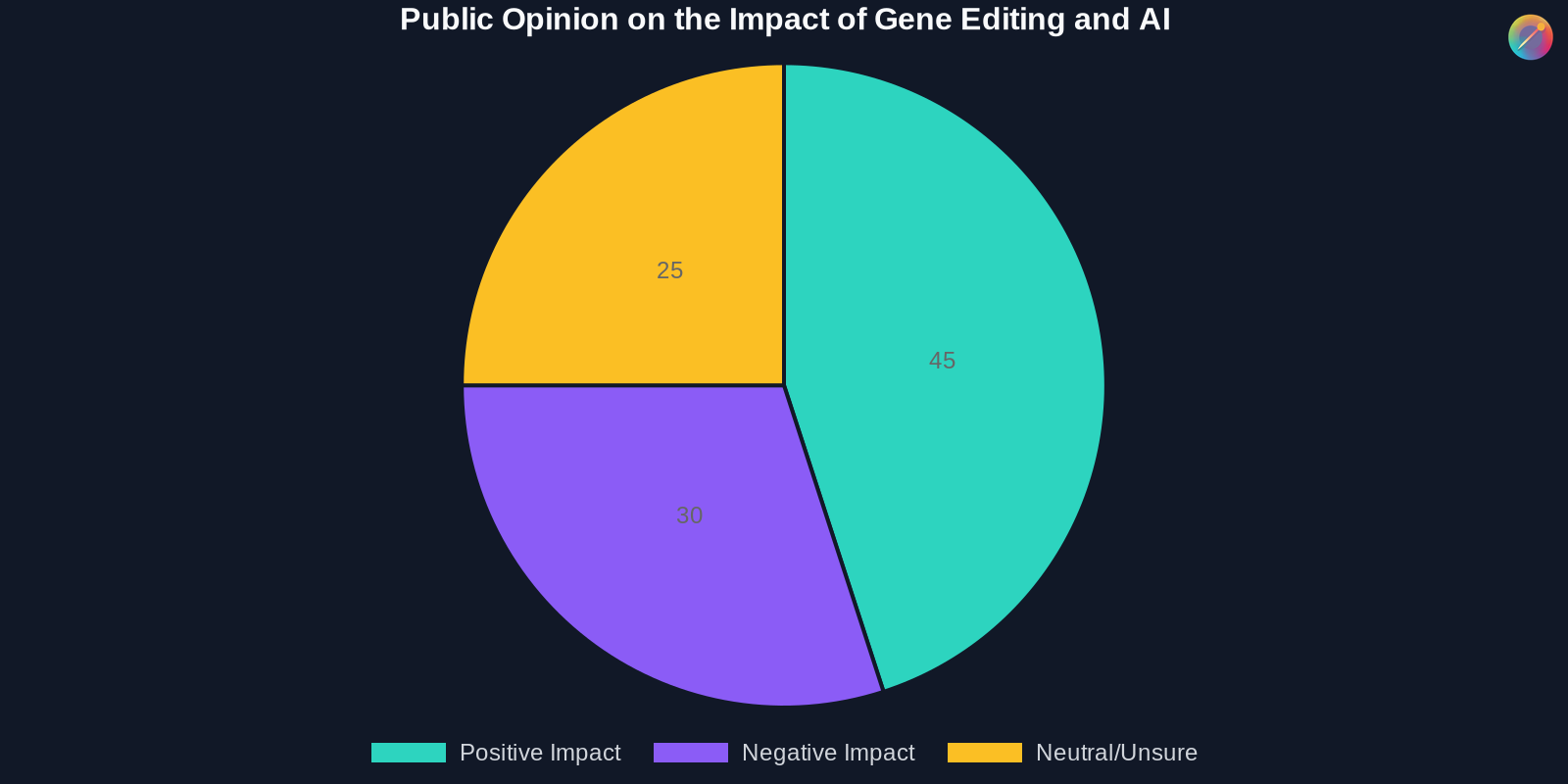
The future of gene editing and AI is filled with both promise and peril. As we continue to advance these technologies, it's essential to remain vigilant and proactive in addressing the potential risks and ethical concerns.
Balancing Innovation and Responsibility
Balancing innovation and responsibility is key to ensuring that these technologies are developed and deployed in a manner that benefits humanity. This requires ongoing dialogue, collaboration, and a commitment to ethical principles.
The Role of Public Awareness
Public awareness and education are also crucial for ensuring that society is informed and engaged in the discussion around gene editing and AI. This includes promoting transparency, fostering public debate, and encouraging responsible innovation.
Conclusion
The convergence of gene editing and AI presents both unprecedented opportunities and significant challenges. By understanding the potential benefits and risks, and by implementing robust regulatory and safety measures, we can ensure that these technologies are developed and deployed responsibly. As we stand on the brink of technological breakthroughs, it's crucial to remain vigilant, proactive, and committed to ethical principles.
Key Takeaways
- Gene editing and AI hold immense promise for revolutionizing healthcare and agriculture.
- The integration of AI and gene editing could lead to breakthroughs that were previously unimaginable.
- Ethical concerns and potential risks must be addressed to ensure the responsible development and deployment of these technologies.
- Industry leaders like Peter Thiel and Sam Altman provide valuable insights on the future of gene editing and AI.
- Robust regulatory and safety measures are crucial for addressing the potential risks and ethical concerns.
- Balancing innovation and responsibility is key to ensuring that these technologies are developed and deployed in a manner that benefits humanity.
| Aspect | Gene Editing | AI |
|---|---|---|
| Primary Use | Treating genetic disorders, improving crops | Analyzing data, automating tasks |
| Potential Risks | Ethical concerns, unintended consequences | Autonomous weapons, misuse of algorithms |
| Regulatory Needs | Ethical guidelines, international collaboration | Safety measures, global standards |