
The Comprehensive Guide to Agentic AI Platforms: Architecture and Benefits

The Comprehensive Guide to Agentic AI Platforms: Architecture and Benefits

Agentic AI is revolutionizing how businesses approach automation and decision-making. Unlike traditional generative AI that simply responds to prompts, agentic AI pursues goals autonomously—planning, executing, and self-correcting to achieve objectives. According to recent studies, 85% of companies report significant efficiency gainsafter implementing agentic AI solutions.
This comprehensive guide explores the three-layer architecture of agentic AI platforms, their transformative benefits, and real-world applications across industries. By the end, you'll understand why agentic AI is becoming a cornerstone of modern enterprise technology stacks.
What Is Agentic AI?
Agentic AI represents the next evolution in artificial intelligence. While traditional AI systems generate outputs based on static inputs, agentic AI operates dynamically:
-Autonomous Goal Pursuit: Continuously works toward objectives without constant human intervention
- Multi-Step Reasoning: Breaks complex tasks into manageable sub-tasks
- Tool Integration: Leverages external systems and APIs to accomplish goals
- Self-Correction: Identifies and rectifies mistakes during execution
Key Characteristics
- Persistence: Maintains state and memory between interactions
- Proactivity: Initiates actions based on environmental triggers
- Adaptability: Adjusts strategies when encountering obstacles
- Transparency: Provides explainable decision-making processes
The Three-Layer Architecture of Agentic AI Platforms
Bain's research identifies three critical layers that comprise effective agentic AI platforms:
1. The Decision Layer
This top layer handles strategic planning and high-level decision making. It determines what goals to pursue and establishes the overall approach.
- Objective Setting: Defines clear, measurable goals
- Strategy Formulation: Develops multi-step plans to achieve objectives
- Priority Management: Allocates resources based on importance and urgency
2. The Execution Layer
The middle layer translates strategic decisions into tactical actions, managing the workflow and coordinating various tools and systems.
- Task Decomposition: Breaks goals into actionable sub-tasks
- Tool Orchestration: Manages API calls and system integrations
- Progress Monitoring: Tracks completion of sub-tasks
3. The Interface Layer
The foundational layer handles all interactions with users and external systems, ensuring smooth communication and data exchange.
- Multi-Channel Communication: Supports various input/output methods
- Context Management: Maintains conversation history and relevant information
- Feedback Processing: Incorporates user corrections and new information
The three-layer architecture creates a robust framework that enables agentic AI to handle complex, real-world business processes with minimal human oversight.
Industry Applications of Agentic AI
Agentic AI platforms are transforming operations across multiple sectors:
Healthcare
- Automates patient triage and diagnostic support
- Manages appointment scheduling and follow-ups
- Coordinates between different healthcare providers
Finance
- Handles complex fraud detection workflows
- Manages multi-step customer service processes
- Automates regulatory compliance procedures
Manufacturing
- Coordinates supply chain logistics
- Manages predictive maintenance schedules
- Optimizes production workflows
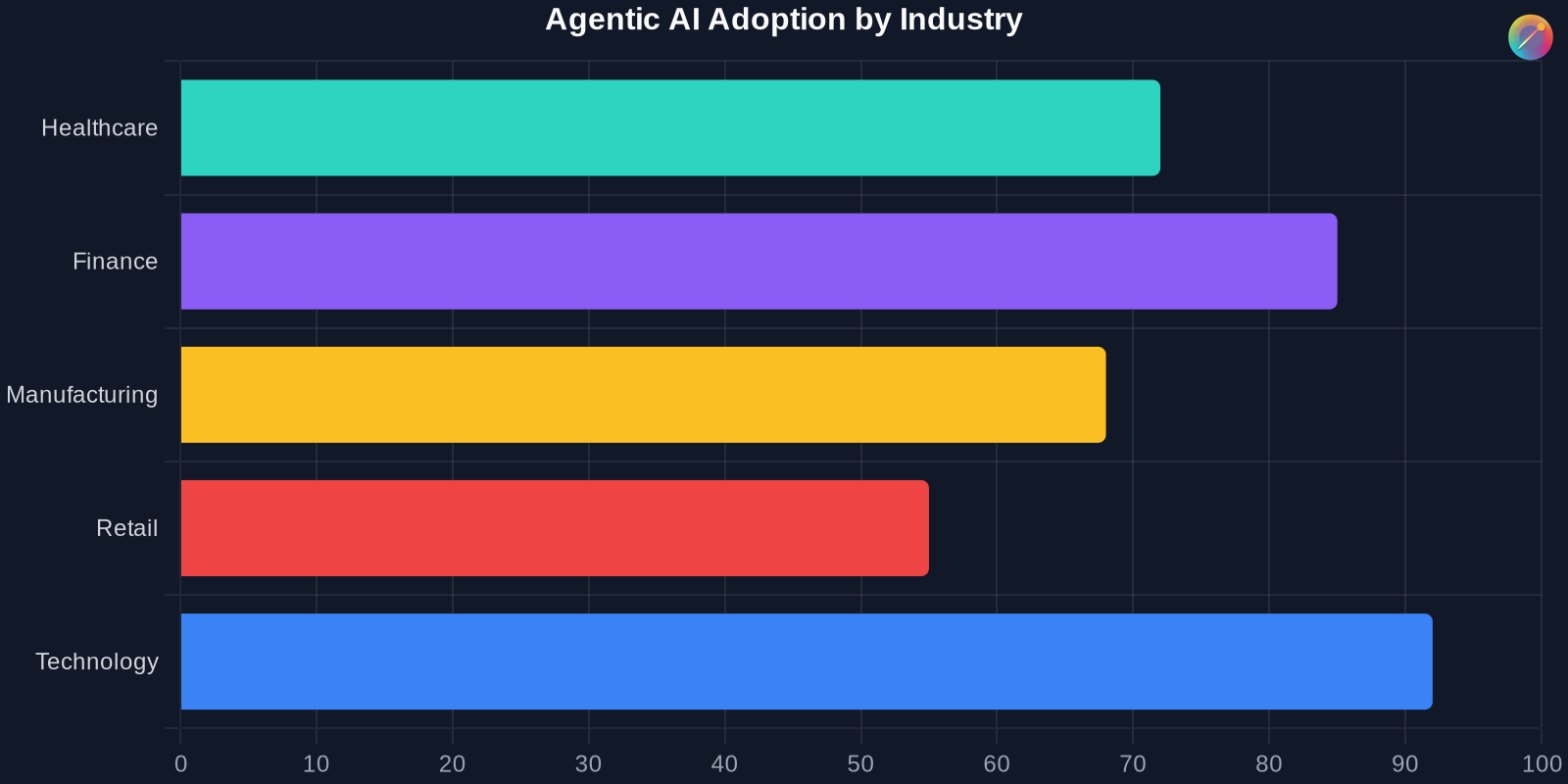
Benefits of Implementing Agentic AI
Organizations adopting agentic AI platforms report significant improvements across key performance metrics:
Operational Efficiency
Agentic systems eliminate bottlenecks by autonomously handling complex workflows that previously required multiple human touchpoints.
Cost Reduction
By reducing the need for human intervention in routine tasks, companies achieve substantial labor cost savings while improving accuracy.
Customer Experience
The persistent, context-aware nature of agentic AI enables more personalized and effective customer interactions across all touchpoints.
Implementation Challenges and Solutions
While powerful, agentic AI platforms present unique implementation considerations:
Common Challenges
- System Integration: Connecting with legacy infrastructure
- Permission Management: Establishing appropriate access controls
- Process Documentation: Capturing existing workflows accurately
- Change Management: Preparing teams for new ways of working
Best Practices for Successful Adoption
- Start with well-defined, high-value use cases
- Invest in comprehensive employee training programs
- Establish clear governance policies and guardrails
- Implement robust monitoring and evaluation systems
| Aspect | Before Agentic AI | After Agentic AI |
|---|---|---|
| Process Completion Time | 8 hours | 3 hours |
| Error Rate | 12% | 3% |
| Employee Satisfaction | 65% | 88% |
| Customer Retention | 72% | 91% |
The Future of Agentic AI
As the technology matures, we can expect several key developments:
Emerging Trends
- Autonomous Teams: Multiple AI agents collaborating on complex projects
- Emotional Intelligence: Better understanding of human emotions and context
- Predictive Capabilities: Anticipating needs before they're explicitly stated
- Cross-Platform Coordination: Seamless operation across different business systems
Long-Term Impact
Agentic AI will fundamentally transform how businesses operate, enabling:
- True 24/7 operations with minimal human oversight
- Hyper-personalized customer experiences at scale
- Dynamic resource allocation based on real-time conditions
- Continuous process optimization through self-learning
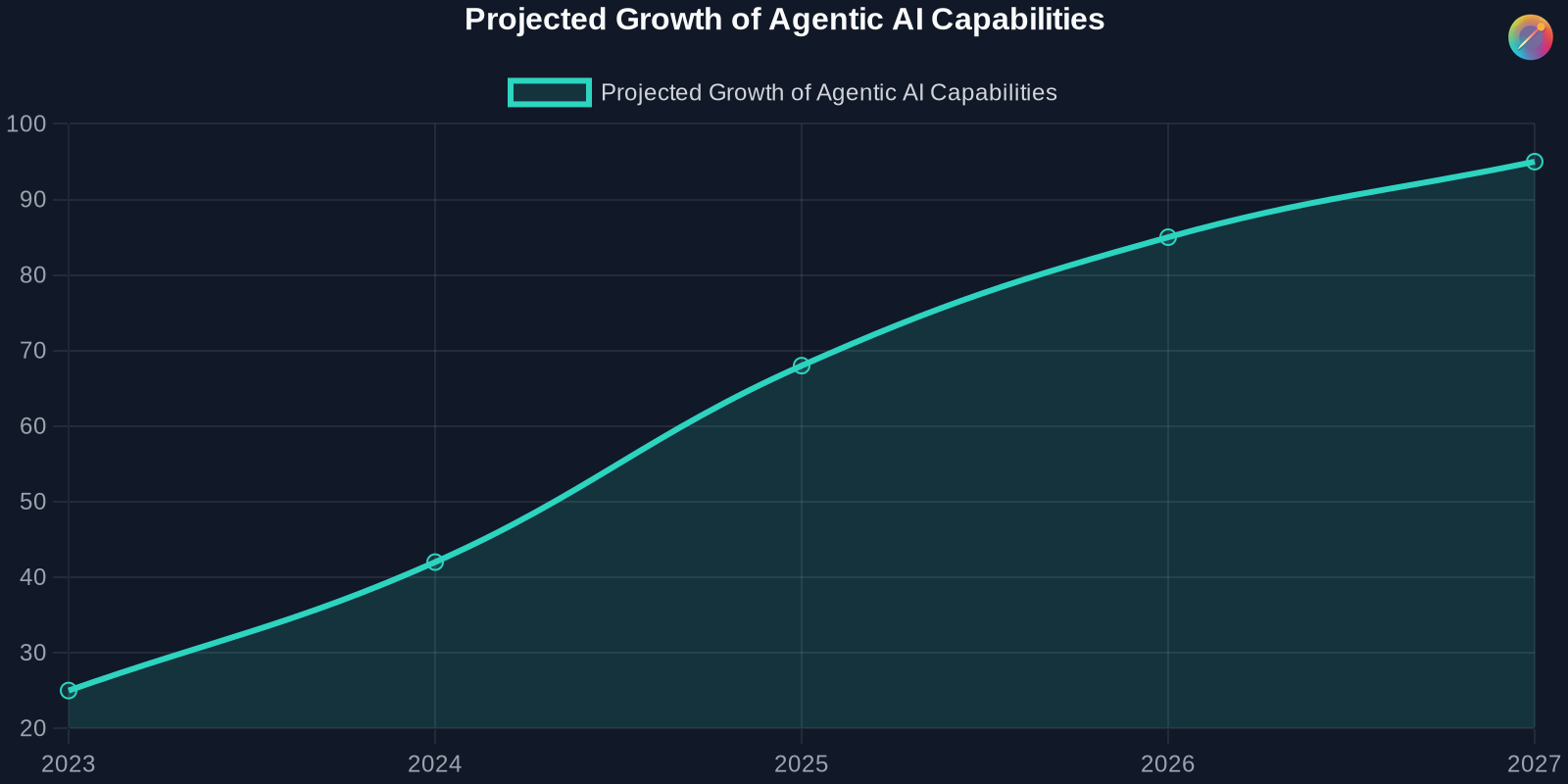
Key Takeaways
Conclusion: Embracing the Agentic AI Revolution
Agentic AI platforms represent a fundamental shift in how businesses can leverage artificial intelligence. By understanding the three-layer architecture and following best practices for implementation, organizations can achieve unprecedented levels of automation, efficiency, and customer satisfaction.
The journey to agentic AI adoption requires careful planning and execution, but the potential rewards make it one of the most compelling technological investments available today. As the technology continues to evolve, early adopters will gain significant competitive advantages in their respective markets.
To begin your agentic AI journey:
- Audit your current processes for automation potential
- Identify high-value use cases with clear success metrics
- Partner with experienced implementation specialists
- Develop comprehensive training programs for your team
- Establish governance frameworks and performance monitoring
The future of business operations is agentic—companies that embrace this revolution today will define the competitive landscape of tomorrow.