Essential Ethical Hacking Tools Every Beginner Must Know in 2026

Essential Ethical Hacking Tools Every Beginner Must Know in 2026
Ethical hacking is a crucial skill in today's digital landscape. With cyber threats on the rise, the demand for ethical hackers has never been higher. In fact, the ethical hacking career path in India is projected to grow significantly by 2026, offering lucrative salaries and diverse job roles.

What is Ethical Hacking?
Ethical hacking involves testing systems for vulnerabilities in a safe and legal manner. Ethical hackers, also known as white-hat hackers, use their skills to improve security and protect systems from malicious attacks. This field is not just about hacking; it's about understanding systems, identifying weaknesses, and providing solutions to secure them.
Essential Ethical Hacking Tools for Beginners
1. Nmap
Nmap (Network Mapper) is a free and open-source tool used for network discovery and security auditing. It is one of the most popular tools among ethical hackers for scanning networks and identifying open ports, services, and potential vulnerabilities.
2. Wireshark
Wireshark is a network protocol analyzer that allows you to capture and interactively browse the traffic running on a computer network. It is an essential tool for understanding network protocols and troubleshooting network issues.
3. Metasploit
Metasploit is a powerful tool for developing and executing exploit code against a remote target machine. It is widely used for penetration testing and vulnerability assessment. Metasploit provides a comprehensive framework for ethical hackers to test and validate security vulnerabilities.
The truth is this: Ethical hacking itself is not usually the problem. The real issue is whether you understand how to use it responsibly, ethically, and safely.
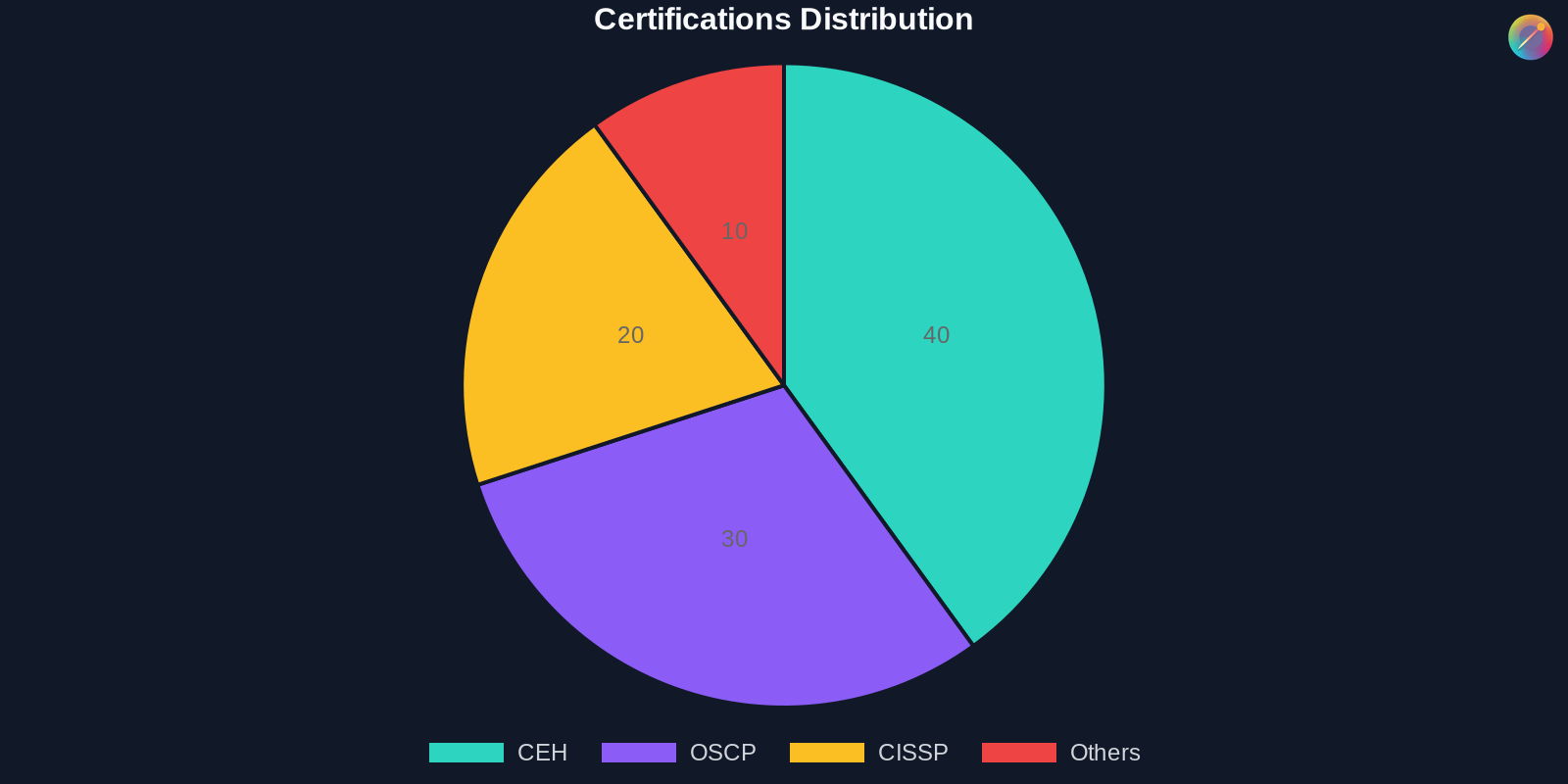
Top Certifications for Ethical Hackers in 2026
1. Certified Ethical Hacker (CEH)
The Certified Ethical Hacker (CEH) certification is one of the most recognized certifications in the field of ethical hacking. It covers a wide range of topics, including network security, cryptography, and ethical hacking techniques.
2. Offensive Security Certified Professional (OSCP)
The Offensive Security Certified Professional (OSCP) certification is a hands-on certification that focuses on practical skills in penetration testing. It is highly regarded in the industry and is a must-have for any serious ethical hacker.
3. Certified Information Systems Security Professional (CISSP)
The Certified Information Systems Security Professional (CISSP) certification is a globally recognized certification in the field of information security. It covers a broad range of topics, including security and risk management, asset security, and communication and network security.
Skills Required for Ethical Hacking
1. Networking Skills
A strong understanding of networking is essential for ethical hacking. This includes knowledge of TCP/IP, DNS, HTTP, and other network protocols. Ethical hackers must be able to analyze network traffic and identify potential vulnerabilities.
2. Programming Skills
Programming skills are crucial for ethical hacking. Knowledge of programming languages such as Python, Java, and C++ can help ethical hackers develop custom tools and scripts for penetration testing and vulnerability assessment.
3. Knowledge of Operating Systems
Ethical hackers must have a deep understanding of various operating systems, including Windows, Linux, and macOS. This knowledge is essential for identifying and exploiting vulnerabilities in different environments.
Job Roles and Future Scope in Ethical Hacking
1. Penetration Tester
Penetration testers are responsible for identifying and exploiting vulnerabilities in systems and networks. They use a variety of tools and techniques to test the security of an organization's infrastructure and provide recommendations for improvement.
2. Security Analyst
Security analysts are responsible for monitoring and analyzing an organization's security posture. They use various tools and techniques to identify potential threats and vulnerabilities and provide recommendations for mitigation.
3. Ethical Hacker
Ethical hackers are responsible for identifying and exploiting vulnerabilities in systems and networks in a legal and ethical manner. They use their skills to improve security and protect systems from malicious attacks.
| Feature | Before | After |
|---|---|---|
| Job Opportunities | Limited | Expanding |
| Salary | Moderate | High |
| Certifications | Few | Many |
Key Takeaways
Conclusion
Ethical hacking is a critical component of cybersecurity, and the demand for skilled ethical hackers is on the rise. By understanding the essential tools, certifications, and skills required for ethical hacking, you can start your career in this exciting and rewarding field.

Call to Action
If you are interested in pursuing a career in ethical hacking, start by learning the essential tools and techniques. Consider obtaining certifications such as CEH, OSCP, and CISSP to enhance your skills and improve your job prospects. Join online communities and forums to stay updated on the latest trends and developments in the field of ethical hacking.
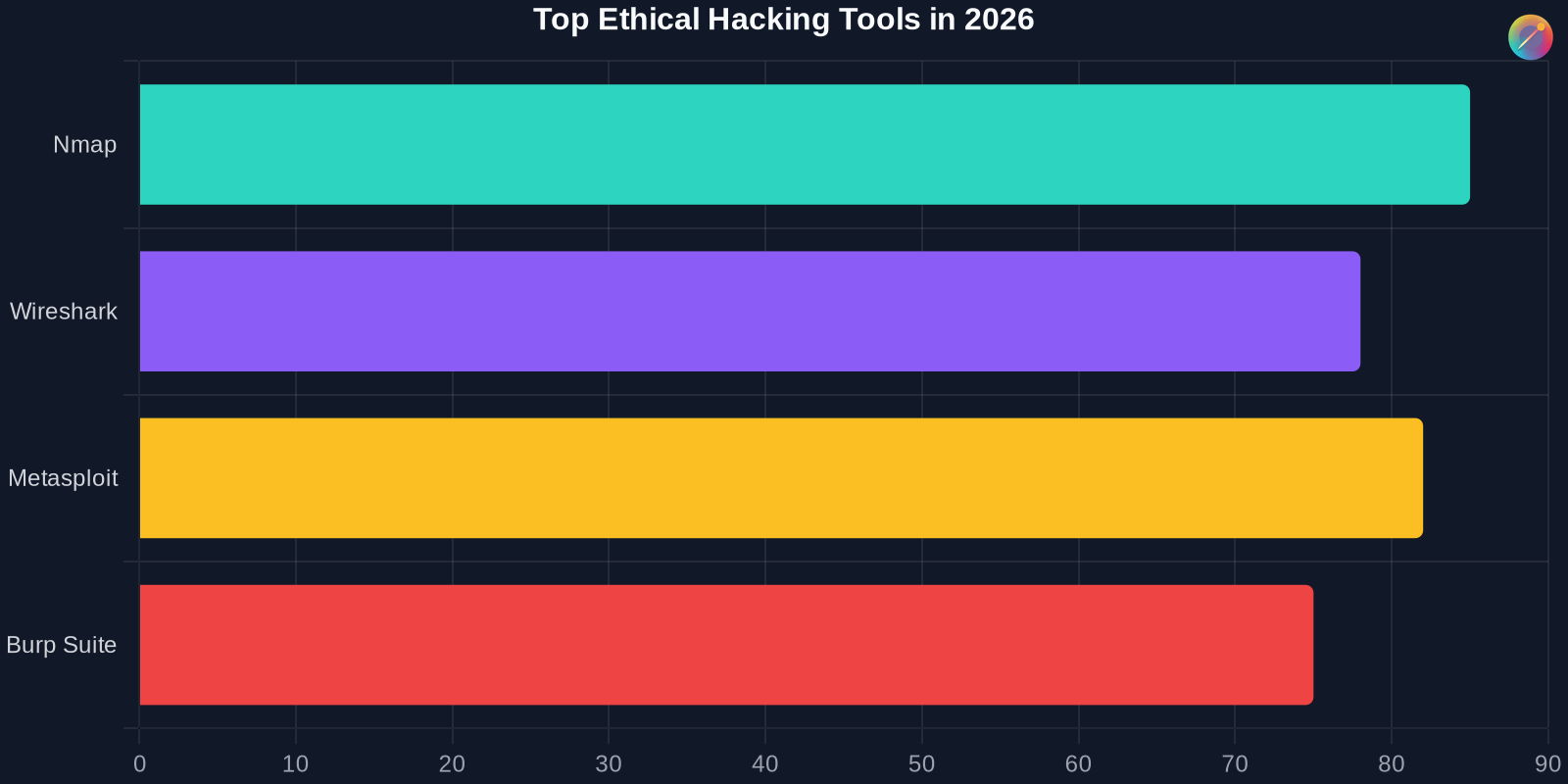
Ethical Hacking Tools Comparison
1. Nmap vs. Wireshark
Nmap and Wireshark are both essential tools for ethical hacking, but they serve different purposes. Nmap is primarily used for network discovery and security auditing, while Wireshark is used for network protocol analysis. Understanding the differences between these tools can help you choose the right tool for the job.
2. Metasploit vs. Burp Suite
Metasploit and Burp Suite are both powerful tools for penetration testing and vulnerability assessment. Metasploit is a comprehensive framework for developing and executing exploit code, while Burp Suite is a web application security testing tool. Both tools are essential for ethical hackers and offer unique features and capabilities.